Are Fairy Tales Too Brutal for My Child? Pros, Cons & a Parent’s Guide
The Timeless Question Every Parent Asks
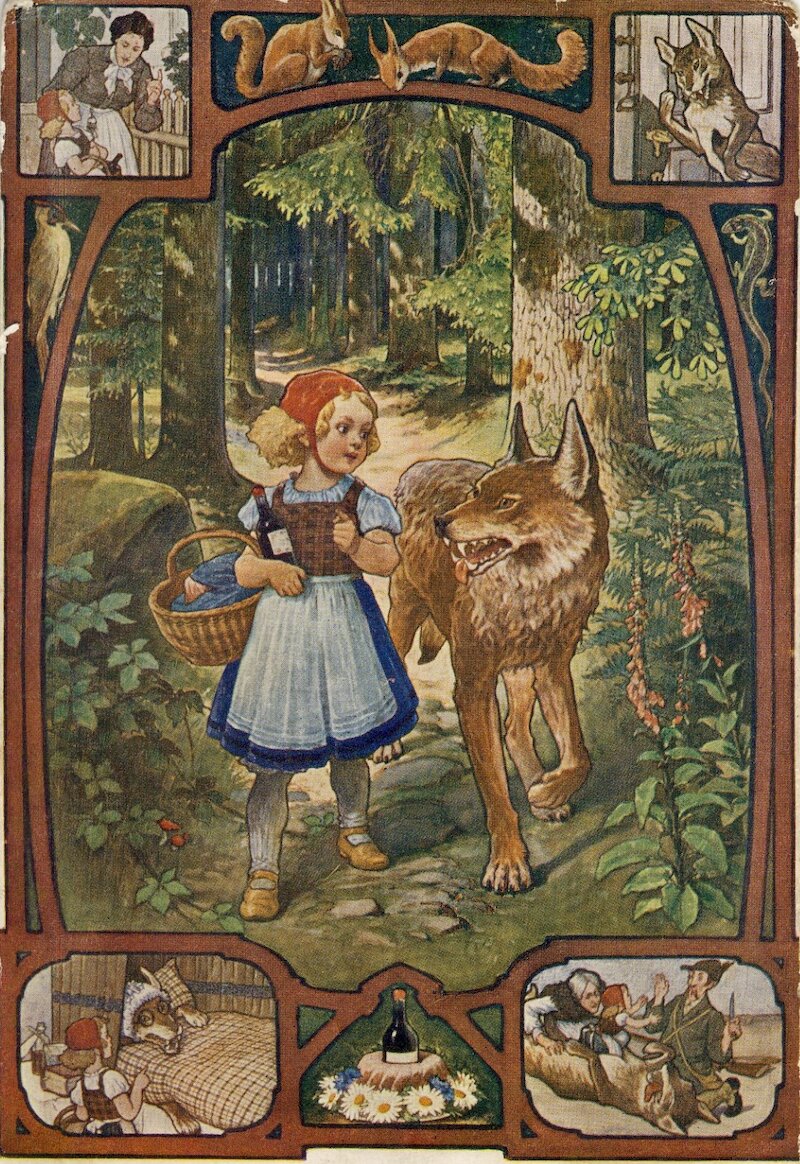
You’re reading Little Red Riding Hood or Hansel and Gretel to your 4-year-old and suddenly the wolf swallows Grandma whole. Or the witch in Hansel and Gretel wants to cook the children. Your child is wide-eyed… and you’re wondering:
“Is this too much? Am I traumatising my kid?”
You’re not alone. Almost every parent or grandparent has had this exact moment. Fairy tales were born in much harsher times — real wolves, real hunger, real early deaths — but today we wonder if they’re too brutal for modern little ears.
The good news? Child psychologists and decades of research say the darkness isn’t the problem — how we handle it is. Let’s look honestly at the pros, the cons, and a simple guide so you can feel confident reading (or recording) these classics.
What a 4-Year-Old Actually Understands (It’s Not What You Think)
A child this age is still in the “magical thinking” stage. Here’s what actually happens in their head:
- Death feels temporary — like sleep or a long trip. They don’t yet grasp “forever.”
- They focus on the feelings (scared, alone, brave) far more than the literal events.
- The wolf eating Grandma lands more like a scary cartoon than real violence.
- They often replay the story in play and ask the same questions 20 times — that’s normal!
So when you read “the wolf ate her,” your child isn’t imagining permanent loss the way an adult would. They’re feeling the thrill of danger and the relief when the hunter saves the day. That emotional roller-coaster is actually the point of these stories.
The Pros: Why the “Brutal” Parts Can Be Surprisingly Helpful
Bruno Bettelheim, one of the most influential child psychologists of the 20th century, argued that sanitised versions actually rob children of something important. Here’s why many experts still agree:
-
Safe emotional workout
Kids get to feel big scary feelings (abandonment, fear of monsters, anger) from a safe distance. They identify with the hero, survive the danger, and reach the happy ending. It’s like emotional training wheels. -
Builds resilience and hope
The message that sinks in (even before they can explain it) is: “Bad things happen, but cleverness, bravery and kindness can win.” That’s powerful when your child faces real worries like starting kindergarten or a new sibling. -
Helps process real-life emotions
Many therapists see fairy tales helping children name feelings and feel less alone with their own “bad” thoughts (jealousy, anger, fear). The stories externalise what kids already feel inside. -
Classic tales have survived for centuries for a reason
They were told when life really was brutal. Today they still help children make sense of a world that isn’t always perfectly safe.
The Cons: When It Really Can Be Too Much
Of course there are valid concerns:
- Sensitive or already anxious children may have nightmares or become clingy for a night or two.
- Magical thinking can sometimes backfire (“Did I make the wolf come?”).
- If your family has recently experienced real loss (grandparent dying, divorce, etc.), the symbolism can hit harder than intended.
Not every 4-year-old is ready for the unfiltered Grimm versions — and that’s okay.
A Practical Guide: How to Decide and What to Do
Here’s a simple checklist so you can read with confidence:
-
Start gentle
Choose retellings that keep the spirit but soften the gore (many modern picture books do this beautifully). You can always move to the fuller versions later. -
Watch your child, not the book
If they’re leaning in, asking questions, and asking for it again → they’re probably fine. If they look worried, close the book and say, “We can read something happier tonight.” -
Talk lightly afterwards
“That wolf was really scary, huh? But the hunter helped! What would you do if you met a wolf?”
This turns the story into a conversation instead of something that festers. -
Use your voice as the safety net
Your calm, loving tone is the most important part. Children feel safe because you are there with them. -
Age sweet spot
Many experts say 4–7 is actually the perfect window — old enough to follow the story, young enough for the magic to work beautifully.
Conclusion: The Darkness Isn’t the Enemy — Fear Is
Fairy tales aren’t trying to scare children. They’re trying to equip them. The wolves and witches are symbols of the fears every child already carries inside. By facing them in a story with a happy ending, kids learn they are stronger than their fears.
So yes — some parts are brutal. But handled with love, attention, and your own voice, those same stories become powerful tools for growing brave, kind, and hopeful children.
Ready to try? Record your own version of Little Red Riding Hood (or any classic) on VoiceHearth. You might be surprised how much your grandchild loves hearing you bring the story to life — wolves, happy endings and all.